
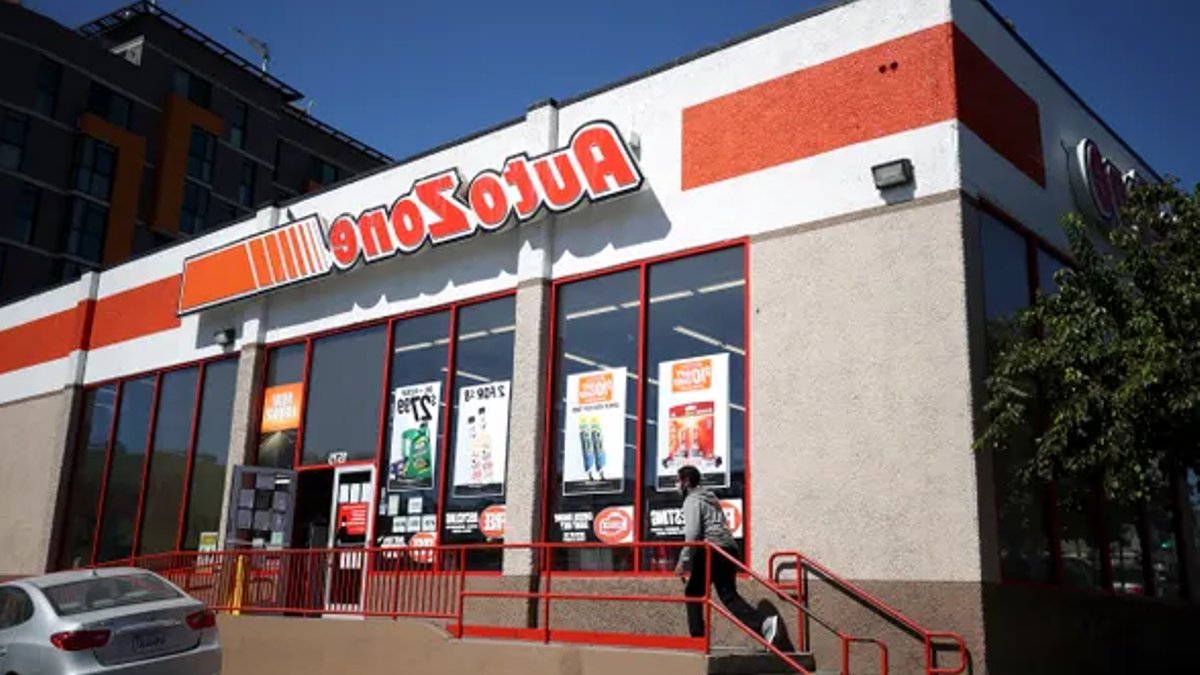
AutoZone’s push to expand mega hub stores is reshaping inventory management and customer service. The retailer has surpassed 100 locations in its current phase, aiming for 200 by the end of 2024. These hubs, which stock over 100,000 items, are designed to speed up fulfillment and boost sales at physical stores, according to CFO Jamere Jackson.
Scaling Up for Growth
AutoZone plans to grow its mega hub network to nearly 300 locations in the near term. Right now, the company operates 156 such facilities and intends to open at least 40 more by fiscal year 2027. Jackson noted that customer demand for quick access to parts is a key driver of this expansion. “Getting products closer to customers improves service levels,” he said, adding that the strategy aligns with market needs.
Related: Sustainability in Spa Equipment: The Growing Shift Toward Eco-Friendly Beds
The mega hubs act as central points for inventory, supplying parts to other stores and boosting in-store sales. Jackson described the impact as “tremendous,” though he did not specify exact revenue figures. The approach contrasts with traditional models, which rely more on regional warehouses and slower delivery times.
Competition in the Auto Parts Sector
Advance Auto Parts, a rival, is also expanding its market hubs to enable same-day parts coverage. The company recently announced it was nearing completion of its distribution consolidation plan and aims to open up to 15 hubs this year.
Analysts suggest that both companies are responding to shifting consumer expectations. Drivers want faster service, and retailers are adjusting by centralizing inventory in high-traffic areas. However, some industry observers question whether the cost of expanding hubs will offset long-term gains, particularly in regions with high operational expenses.
Related: Gilt
AutoZone’s strategy hinges on balancing inventory availability with logistical efficiency. The mega hubs require significant investment but may reduce reliance on third-party shipping partners. Jackson did not address potential challenges, such as staffing or supply chain disruptions, during the recent earnings call.
With 156 locations already active, the company needs to open nearly 50 more in the next year to meet its 2024 target. Whether this goal is achievable depends on factors like real estate availability and labor conditions in key markets.
Related: How a Revops Agency Can Optimize Your Revenue Growth
Competitors are watching closely. Advance Auto Parts’ move to open 15 hubs this year highlights the sector’s broader shift toward localized inventory. Retailers are betting that proximity to customers will become a deciding factor in market share battles.
AutoZone’s approach remains focused on execution. The company has not yet released detailed financial metrics tied to its mega hub strategy, leaving investors to assess its impact based on sales trends and operational updates. For now, the emphasis is on scaling the model before refining it further.


